
National Naval Aviation Museum Uses Titan Blast Cabinet to Restore Vintage Aircraft
Located in Pensacola, FL, the National Naval Aviation Museum is one of the largest of its kind in the world. Established in 1962 and opened in 1963, it has grown from a small building and a handful of aircraft to 350,000ft of exhibit space on a 60-acre campus.
While the museum features also uniforms, letters, and medals, the aircraft are the star attraction, arriving at the museum from multiple sources. “Some of the planes come to us directly from military service – straight out of the skies and through the doors,” explains Hill Goodspeed, deputy director of the museum. “Others were procured by civilians, then donated. Many were just sitting in storage until they were discovered.”
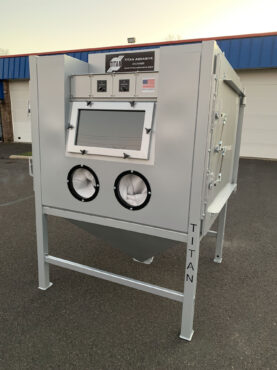
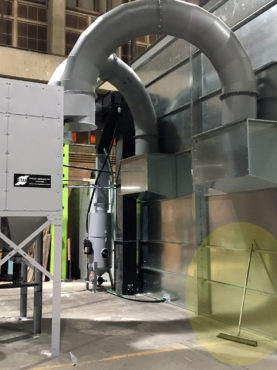
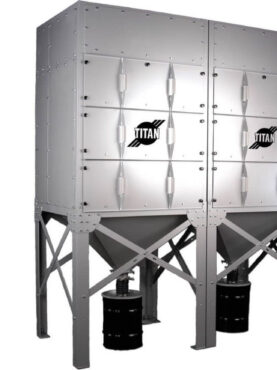
The team also relies on two Titan 48″ x 48″ connected blast cabinets to eliminate corrosion, rust, and paint covering many of the aircraft components. Titan is proud and honored to play a small role in the museum’s restoration efforts.
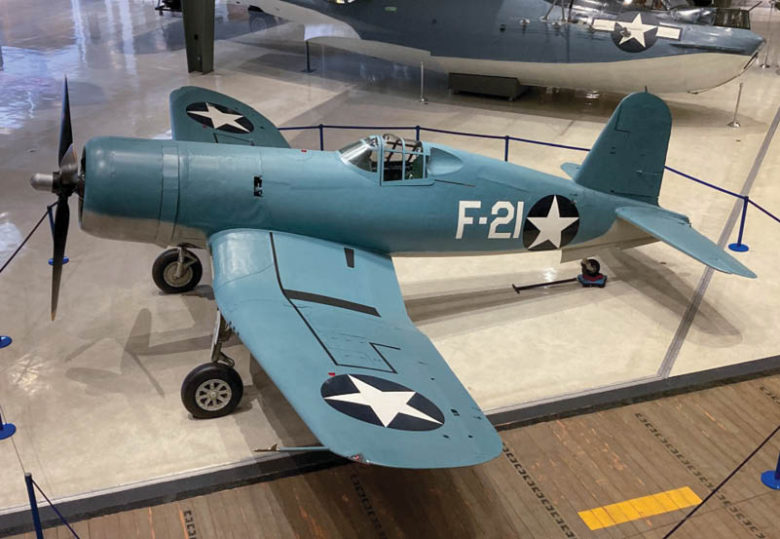
In this piece by Editor Eric Brothers of Aerospace Manufacturing and Design, you can read how the museum team meticulously restores vintage aircraft. For the Birdcage Corsair (pictured above), restoration took 14 years — a true commitment and dedication to the museum’s vision and work.